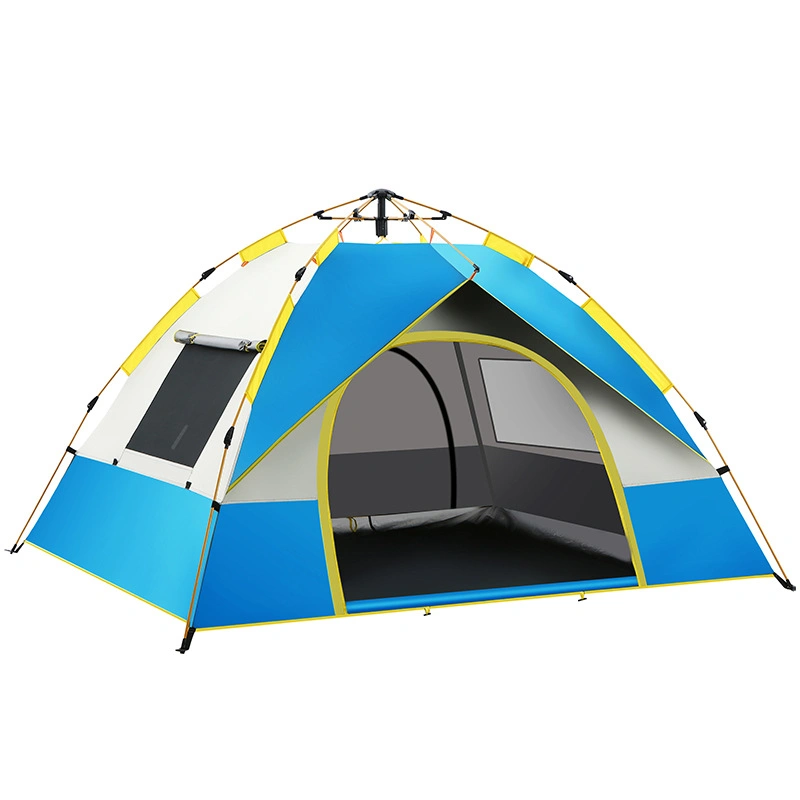
Portable Disaster Relief Tents for Remote Disaster Sites
Release time: 2025-12-08
Table of Contents
In the aftermath of natural disasters, timely shelter is critical for saving lives and reducing suffering. Remote disaster sites, often inaccessible by conventional vehicles or far from established infrastructure, present unique challenges for relief operations. Portable disaster relief tents are an essential solution for these situations, offering rapid deployment, durability, and protection in harsh conditions.
Rapid Deployment in Challenging Locations
Time is of the essence in disaster response. Portable disaster relief tents are designed for quick assembly, allowing relief teams to provide immediate shelter even in the most remote areas. Lightweight frames, modular panels, and easy-to-use connectors ensure that a small team can set up multiple tents in a short period. This rapid deployment is crucial in scenarios such as earthquake-affected mountain villages, flood-stricken rural areas, or hurricane-hit coastal regions, where conventional construction or permanent shelters are not feasible.
Durability and Weather Resistance
Remote disaster sites often expose tents to extreme weather conditions, including heavy rain, strong winds, intense sunlight, or cold temperatures. High-quality disaster relief tents are constructed with waterproof, windproof, and UV-resistant materials that protect occupants from the elements. Reinforced seams and stable anchoring systems help tents withstand storms, ensuring continuous protection for displaced populations. These durable features make portable disaster relief tents reliable even during prolonged emergency operations.
Versatility and Multi-Purpose Use
Portable disaster relief tents are not just for temporary shelter; they serve multiple functions in disaster response. They can be used as medical treatment centers, command posts, storage units, or temporary classrooms. Modular designs allow tents to be connected or expanded, accommodating larger groups of people or specialized facilities. This versatility is particularly valuable in remote areas where resources are limited and flexible solutions are required.
Lightweight and Easy Transportation
One of the most critical advantages of portable disaster relief tents is their lightweight and compact design. Relief teams can transport them using small trucks, helicopters, or even on foot when necessary. This mobility ensures that even the most isolated communities can receive emergency shelter quickly, reducing delays that could otherwise exacerbate suffering.
Supporting Emergency Relief Operations
Lightweight disaster relief tents play a pivotal role in enabling effective emergency relief operations. They provide immediate protection, create organized living spaces, and support essential services such as medical care and food distribution. By offering durable, flexible, and quickly deployable shelter, these tents help NGOs, government agencies, and international aid organizations respond effectively to disasters in remote locations.
Conclusion
In remote disaster sites, where traditional infrastructure is damaged or inaccessible, portable
emergency rescue tents are indispensable. Their rapid deployment, weather resistance, versatility, and lightweight transportability make them essential for saving lives and maintaining operational efficiency during emergencies. Investing in high-quality portable disaster relief tents ensures that aid reaches the most vulnerable populations quickly, efficiently, and safely, helping communities recover more effectively after disaster events.