
Что следует учитывать при покупке водонепроницаемой туннельной палатки для кемпинга
Дата выпуска: 09.01.2026
Оглавление
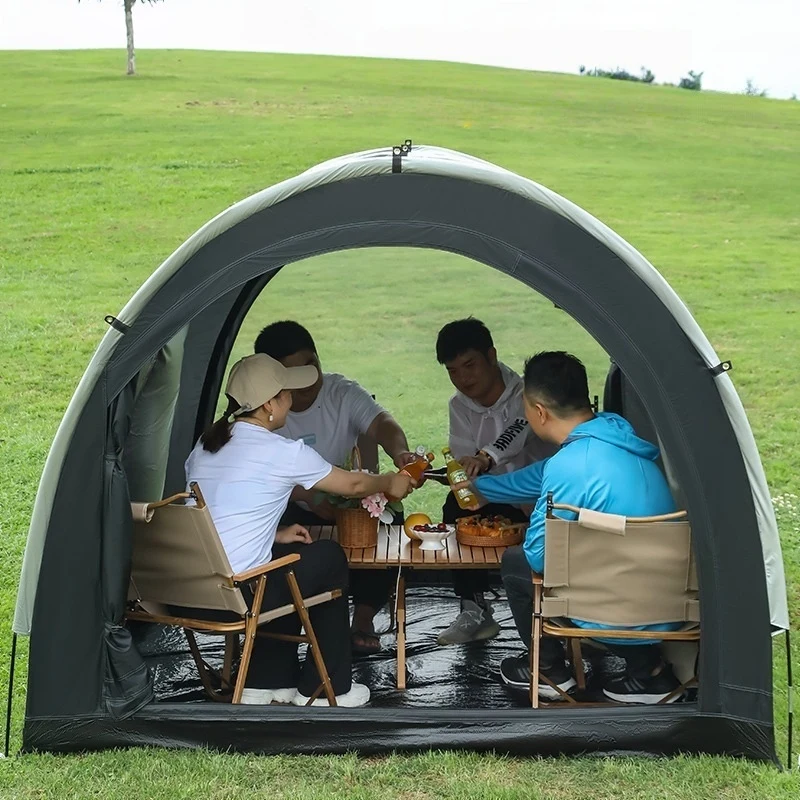
Когда речь заходит о приключениях на свежем воздухе, туннельная кемпинговая палатка Это популярный выбор благодаря просторному внутреннему пространству, простоте установки и устойчивой конструкции. Однако выбор водонепроницаемой туннельной палатки требует большего, чем просто выбор самого большого или самого дешевого варианта. Правильный выбор характеристик обеспечит комфорт, долговечность и защиту от дождя и суровых погодных условий.
1. Материал ткани и степень водонепроницаемости
Материал, из которого изготовлена палатка, играет решающую роль в её водонепроницаемости. Большинство водонепроницаемые туннельные палатки Изготавливаются из полиэстера или нейлона с полиуретановым или силиконовым покрытием. Водонепроницаемость, обычно измеряемая в миллиметрах (мм), указывает, какое давление воды может выдержать ткань. Для небольшого дождя может быть достаточно показателя около 1500 мм, в то время как для сильных или продолжительных дождей обычно требуется 2000–3000 мм или более. Более высокие показатели, как правило, обеспечивают лучшую защиту и долговечность.
2. Герметизация и прошивка швов
Даже если ткань палатки водонепроницаема, плохо заделанные швы могут пропускать воду внутрь. Ищите палатки с водонепроницаемыми свойствами. проклеенные или термосварные швыособенно вдоль крыши и углов. Усиленная прострочка в сочетании с герметизацией швов помогает предотвратить протечки и повышает общую долговечность в дождливую погоду.
3. Форма палатки и конструкция крыши
Туннельные палатки имеют характерную вытянутую форму, поддерживаемую гибкими стойками. Слегка наклонная крыша позволяет дождевой воде стекать, а не скапливаться сверху, что может привести к провисанию или протечкам. Кроме того, приподнятый или ваннообразный пол предотвращает попадание влаги из земли внутрь палатки, сохраняя внутреннее пространство сухим и комфортным.
4. Вентиляция и комфорт
Надлежащая вентиляция крайне важна для водонепроницаемой туннельной палатки. Конденсат может скапливаться внутри, даже если сама палатка не протекает. Сетчатые окна, вентиляционные отверстия или проемы с водонепроницаемыми крышками обеспечивают циркуляцию воздуха, защищая от дождя. Хорошая вентиляция гарантирует сухость и комфорт внутри, уменьшая влажность и поддерживая приятную атмосферу во время длительных походов.
5. Устойчивость и прочность рамы
Туннельная палатка также должна выдерживать ветер и штормы. Обратите внимание на прочные, гибкие стойки из стекловолокна, алюминия или стали, а также на надежные оттяжки и колышки. Устойчивый каркас гарантирует сохранение формы палатки в ветреную погоду, предотвращая протечки, вызванные движением или обрушением.
6. Размер, портативность и простота установки.
При выборе палатки учитывайте ее размер и вместимость для вашей группы, а также портативность. Водонепроницаемые ткани часто тяжелее, поэтому проверьте размеры и вес в сложенном виде. Одним из главных преимуществ туннельной палатки является относительно быстрая установка; убедитесь, что конструкция позволяет быстро установить палатку, не жертвуя при этом водонепроницаемостью.
Заключение
Покупка водонепроницаемая туннельная палатка для кемпинга Оценка включает в себя качество ткани, герметизацию швов, конструкцию крыши, вентиляцию, устойчивость каркаса и портативность. Сосредоточившись на этих характеристиках, вы можете выбрать палатку, которая останется сухой, комфортной и надежной в любых погодных условиях. Правильно подобранная туннельная палатка улучшит ваши впечатления от отдыха на природе и гарантирует, что ваши приключения останутся приятными независимо от прогноза погоды.

